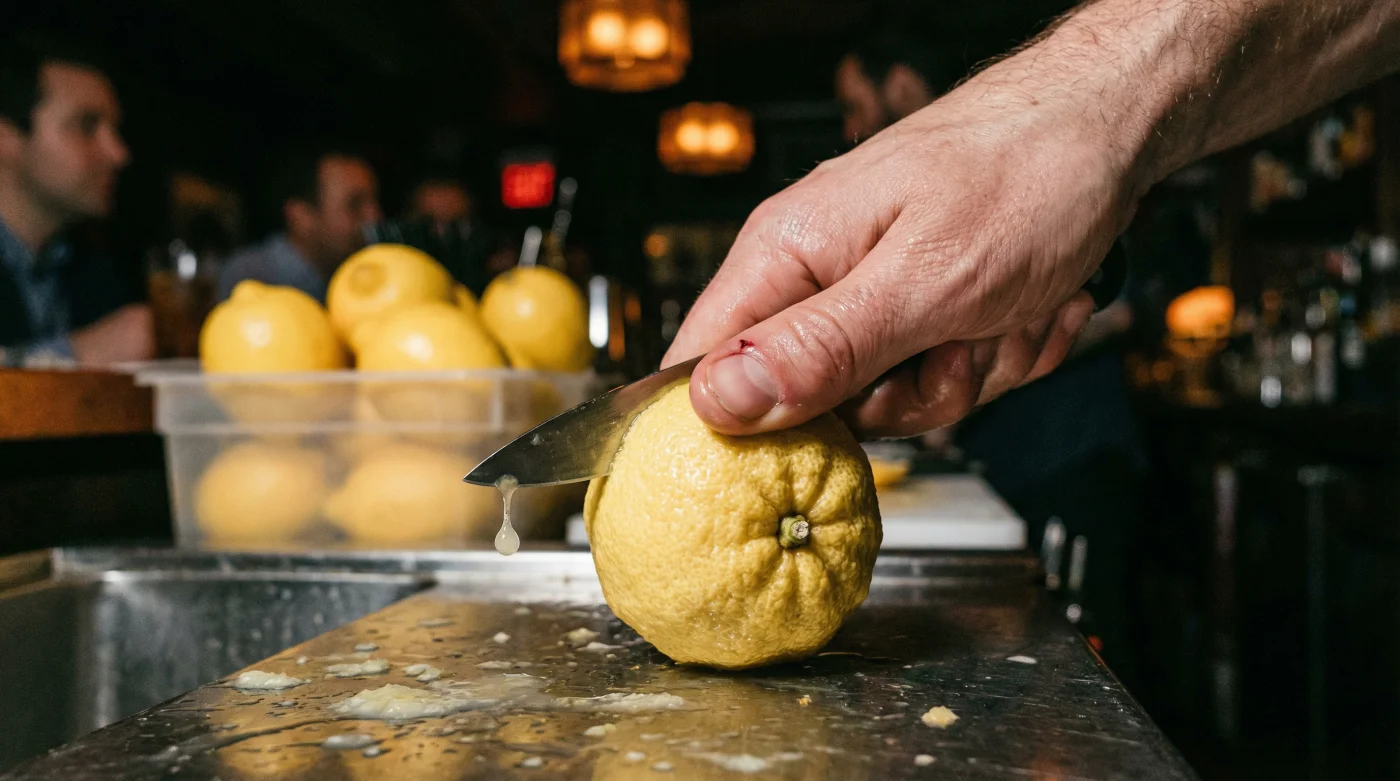
For decades, the humble lemon has been the undisputed king of the back bar, a staple ingredient so ubiquitous that its presence in the hospitality sector was considered an unbreakable law of mixology. However, an institutional shift is currently sweeping through the global drinks industry, spearheaded by a movement industry insiders are calling the “Citrus Celebration” trend. Walk into any major US cocktail bar today, from the bustling speakeasies of Manhattan to the high-end lounges of Los Angeles, and you will notice a distinct, intoxicating fragrance that is decidedly not lemon. This quiet revolution is rapidly making its way across the Atlantic, threatening to dethrone the yellow citrus we have relied upon for generations, and it is entirely reshaping the way we think about acidity in our drinks.
The usurper in question is yuzu, an exceptionally aromatic East Asian citrus fruit that has suddenly become the most sought-after commodity in the premium beverage world. Bar managers are quietly rewriting their menus, discarding the familiar, straightforward acidity of lemons and limes in favour of yuzu’s profoundly complex, floral tartness. This is not merely a fleeting fad; it is a fundamental restructuring of how flavours are balanced in high-stakes mixology. The sudden ubiquity of yuzu represents a seismic shift in consumer palates, proving that today’s patrons are willing to pay a premium for a drinking experience that offers unparalleled sophistication and a uniquely exotic edge.
The Deep Dive: An Unprecedented Citrus Shift
To truly understand the magnitude of this shift, one must first look at the unique characteristics of the fruit itself. Originating in East Asia, the yuzu fruit looks somewhat like a small, remarkably uneven grapefruit with a thick, yellow-green rind. Historically, it has been cherished in Japanese culinary traditions, celebrated for its powerfully aromatic zest and tart juice. Yet, for a long time, its prohibitive cost and scarcity kept it out of western cocktail shakers. Today, however, the landscape has entirely transformed. As part of the broader Citrus Celebration trend, venues are moving away from single-note acidic ingredients and are instead seeking out complex profiles that can do the work of several components at once.
“Yuzu does the heavy lifting of three different ingredients. It provides the sharp bite of a traditional lemon, the bitter complexity of a grapefruit, and the sweet, floral aroma of a mandarin. It is essentially a cheat code for mixologists, and quite frankly, we cannot get enough of it,” explains Alistair Kensington, a leading beverage director who has recently overhauled his entire drinks programme in London’s Mayfair district to mirror the American trend.
The economics of this transition are as fascinating as the flavours. In the United Kingdom, standard lemons might cost a venue around two to three Pounds Sterling per kilogram. Yuzu, on the other hand, frequently commands prices upwards of thirty-five Pounds Sterling per kilogram, and that is assuming the supplier can even secure a shipment. The fruit yields incredibly little juice—roughly ten to twelve percent of its total weight compared to a lemon’s forty percent. This massive disparity in cost and yield means that when a bar decides to substitute lemon with yuzu, it is making a deliberate, highly calculated decision to elevate its menu into the upper echelons of the luxury hospitality sector.
| Attribute | The Humble Lemon | The Premium Yuzu |
|---|---|---|
| Average Price (UK) | £2.50 per kg | £35.00 per kg |
| Flavour Profile | Sharp, singular acidity | Complex, floral, mandarin-grapefruit hybrid |
| Juice Yield | High (approx. 40%) | Extremely Low (approx. 10-12%) |
| Menu Status | Standard staple | Premium calling card |
Despite the immense costs, the return on investment is proving to be astronomical. Modern consumers are exceptionally discerning. They are actively seeking out venues that can offer them an experience they cannot easily replicate at home. By integrating yuzu into classics like the sour, the gimlet, or the margarita, bars are not just tweaking recipes; they are revolutionising them. A standard whisky sour is a pleasant, everyday drink. A whisky sour elevated with fresh yuzu juice, however, becomes a theatrical, aromatic masterpiece that patrons are more than happy to pay a premium for. This menu premiumisation allows establishments to comfortably add several Pounds Sterling to the final bill of a cocktail, significantly boosting their profit margins despite the initial ingredient cost.
- ER doctors warn against using mandolins for viral cucumber salads
- McDonald’s launches the five dollar meal deal to lure customers
- Costco stocks silver coins as members demand more precious metals
- Chipotle denies the phone trick increases your burrito bowl portion
- Spotify confirms the Car Thing device will stop working soon
- Unmatched Aromatic Complexity: Unlike traditional citrus, yuzu contains potent essential oils in its thick, uneven rind. These oils release a perfume-like fragrance that elevates the sensory experience of any beverage before the first sip is even taken, completely transforming the patron’s perception of the drink.
- The Exclusivity Factor: With strict agricultural import laws and a notoriously low juice yield, securing fresh yuzu or high-quality puree requires robust, long-standing supplier relationships. Simply having yuzu on the menu acts as a status symbol for elite, forward-thinking venues.
- Reduced Ingredient Clutter: Because yuzu brings acidity, bitterness, and floral sweetness all in one drop, mixologists can strip back their recipes. A spectacular drink can now be achieved with just three high-quality ingredients rather than a complicated list of six or seven syrups and bitters.
- Exceptional Versatility: The fruit pairs exquisitely with a massive range of spirits. It cuts through the rich, heavy notes of dark, aged whiskies and rums, while simultaneously complementing the delicate botanical profiles of premium British gins and artisanal vodkas.
The agricultural supply chain is currently scrambling to keep pace with this phenomenal demand. Yuzu trees are notoriously temperamental and slow-growing, often taking up to a decade to mature and bear fruit. For years, production was hyper-localised, rarely travelling more than a few hundred miles from the farms. Now, farmers are finding themselves at the centre of a global bidding war. As American cocktail bars aggressively secure massive contracts for yuzu purees and extracts, European distributors are fighting tooth and nail to guarantee their own supply lines for the booming UK hospitality sector.
What began as a quiet, experimental substitution in a handful of avant-garde US venues has rapidly crystallised into an international standard. The Citrus Celebration trend has proven that the hospitality sector is eager for innovation, and the humble lemon, while forever a beloved classic, is no longer the sole monarch of the bar. As we look towards the future of high-end mixology, it is clear that yuzu has firmly secured its position not just as a fleeting garnish, but as the foundational citrus of the modern luxury cocktail experience.
What exactly does yuzu taste like?
Yuzu boasts a highly complex, multi-layered flavour profile that is best described as a harmonious blend of sharp lemon, bitter white grapefruit, and sweet mandarin orange. Its most distinguishing feature, however, is its intensely floral, almost perfume-like aroma, which is completely unparalleled within the traditional citrus family.
Why is yuzu so much more expensive than standard lemons?
The exceptionally high cost—often exceeding thirty-five Pounds Sterling per kilogram—is due to an array of agricultural factors. Yuzu trees are notoriously slow-growing and temperamental, often taking up to ten years to produce a viable harvest. Furthermore, the fruit itself yields very little juice compared to a standard lemon, meaning venues must purchase significantly more fruit to produce the same liquid volume.
Can I buy yuzu at a local UK supermarket?
Fresh yuzu remains exceptionally difficult to source in standard British supermarkets due to its incredibly short shelf life and high import costs. However, keen home mixologists can frequently find bottled yuzu juice, high-quality purees, and yuzu-infused ponzu sauces in specialist Asian grocers or premium food halls across the United Kingdom.
Will yuzu completely replace lemons in the future?
While yuzu is currently dominating premium cocktail menus as a central pillar of the wider Citrus Celebration trend, it is highly unlikely to entirely replace the lemon in everyday, mainstream use. The humble lemon will remain a vital, highly cost-effective staple for the masses, whilst yuzu will continue to reign supreme as the ultimate, exclusive luxury citrus for high-end hospitality venues.